The Rich Heritage of Children's Games in Assyrian and Congolese Cultures
Category : | Sub Category : Posted on 2024-10-05 22:25:23
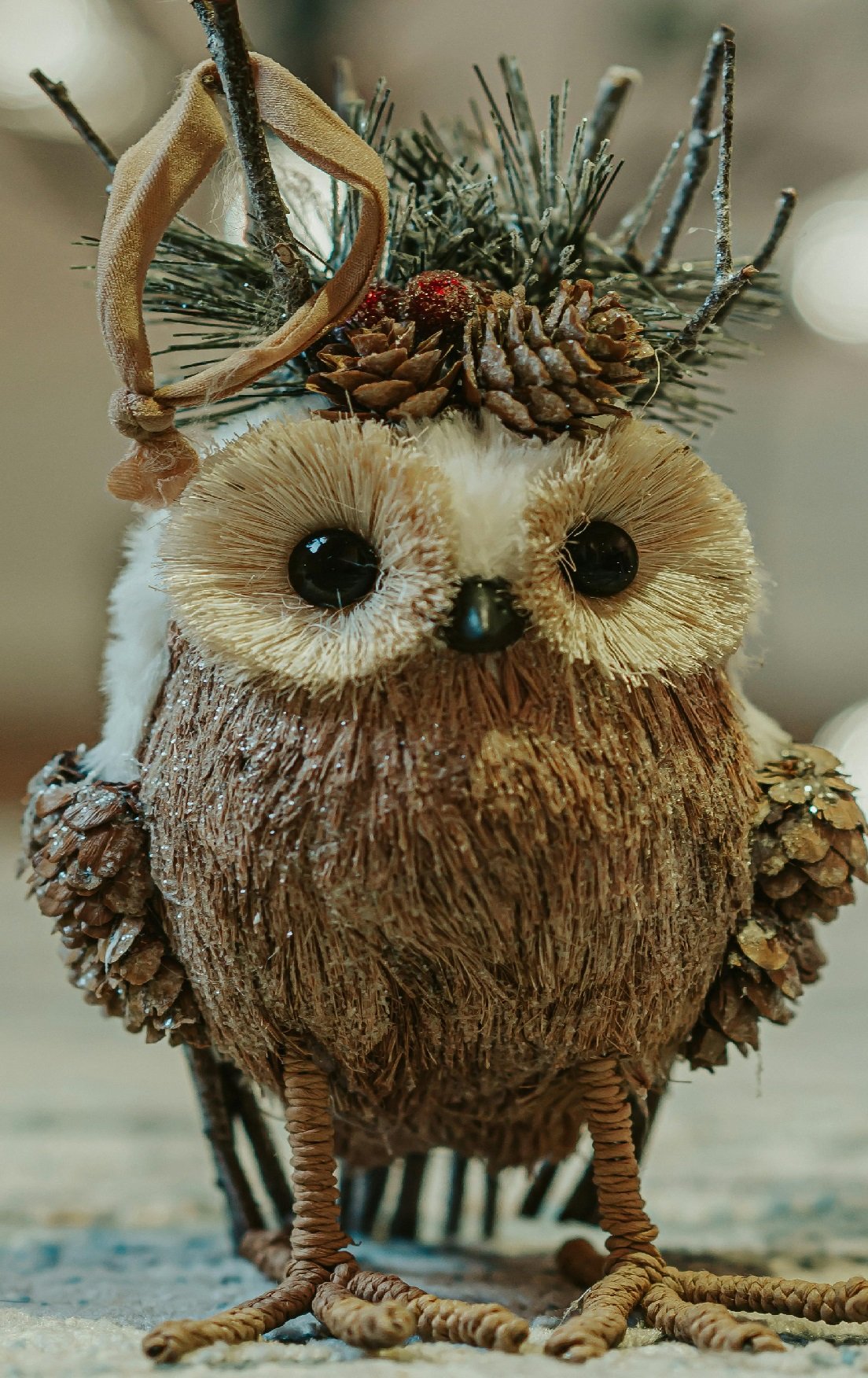
children's games are not only a source of joy and entertainment but also a reflection of a society's culture and traditions. In this blog post, we will explore the rich heritage of children's games in Assyrian and Congolese cultures, showcasing the diversity and uniqueness of playtime activities in these regions. Assyrian Children's Games: The ancient Assyrian civilization, known for its rich history and cultural heritage, has a long tradition of children's games that have been passed down through generations. One popular game among Assyrian children is "Zama Zama," a traditional game played with small stones or pebbles on the ground. Players take turns throwing and catching the stones according to specific rules, testing their hand-eye coordination and agility. Another beloved game among Assyrian children is "Tobe," a variant of tag that involves chasing and catching other players within a designated playing area. Players must strategize and use their speed and reflexes to avoid being caught, making it a thrilling and competitive game enjoyed by children of all ages. Congolese Children's Games: In the vibrant and diverse culture of the Congo, children's games serve as a way to celebrate community, teamwork, and creativity. One popular game among Congolese children is "Lukasa," a memory game that involves a wooden board with beads or shells arranged in intricate patterns. Players must memorize the patterns and then recreate them from memory, showcasing their cognitive skills and attention to detail. Another well-loved game in Congolese culture is "Ngumi," a traditional game played with a wooden board and stones or seeds. Players take turns moving the stones across the board, aiming to capture their opponent's pieces while protecting their own. This strategic game requires critical thinking and planning ahead, teaching children valuable skills in problem-solving and decision-making. In conclusion, children's games in Assyrian and Congolese cultures not only provide hours of fun and entertainment but also serve as a powerful tool for preserving and sharing cultural heritage. Through these traditional games, children learn valuable skills, build strong social connections, and gain a deeper appreciation for their roots and identity. Let us celebrate the rich tapestry of children's games in these two vibrant cultures and continue to pass down these cherished traditions to future generations.
Leave a Comment:
SEARCH
Recent News
- Zurich, Switzerland is not only known for its stunning landscapes, chocolate, and watches, but also for its rich literary culture. In this charming city, children's literature holds a special place, with a plethora of top children's books that are beloved by kids and families alike. Here are some of the most popular children's books that are a must-read for young readers in Zurich.
- Zurich, Switzerland is a beautiful destination with plenty to offer for families traveling with children. However, motion sickness can put a damper on what should be a fun and exciting trip. Here are some kid-friendly motion sickness remedies to help ensure smooth travels while exploring Zurich:
- Zurich, Switzerland is known for its stunning landscapes, vibrant culture, and rich history. But did you know that it is also a hub for game challenges and competitions? Gaming enthusiasts from around the world flock to Zurich to compete in a variety of gaming events that test their skills and strategy.
- Creating YouTube Content: Translating Top Children's Books
- Creating Kid-Friendly YouTube Content and Motion Sickness Remedies
- Are you looking for a list of the top children's books as recommended by popular YouTube channels catering to kids and parents? Look no further! In this blog post, we will highlight some of the best children's books that have been featured and reviewed by popular YouTube channels dedicated to children's literature.
- Motion sickness can be a real struggle, especially for children during long car rides or while watching video content that involves a lot of motion. If your child experiences motion sickness while watching YouTube videos or other screen content, don't worry - there are remedies and solutions that can help alleviate their discomfort. In this blog post, we will explore some kid-friendly motion sickness remedies that can make their screen time more enjoyable.
- Are you looking to start your own YouTube channel centered around game challenges? Game challenges are a popular and engaging content niche that has the potential to attract a wide audience of gamers and viewers looking for entertainment and excitement. In this blog post, we will explore the world of YouTube channels dedicated to game challenges, providing tips and insights on how to create compelling and successful content in this genre.
READ MORE
9 months ago Category :

Zurich, Switzerland is not only known for its stunning landscapes, chocolate, and watches, but also for its rich literary culture. In this charming city, children's literature holds a special place, with a plethora of top children's books that are beloved by kids and families alike. Here are some of the most popular children's books that are a must-read for young readers in Zurich.
Read More →9 months ago Category :

Zurich, Switzerland is a beautiful destination with plenty to offer for families traveling with children. However, motion sickness can put a damper on what should be a fun and exciting trip. Here are some kid-friendly motion sickness remedies to help ensure smooth travels while exploring Zurich:
Read More →9 months ago Category :

Zurich, Switzerland is known for its stunning landscapes, vibrant culture, and rich history. But did you know that it is also a hub for game challenges and competitions? Gaming enthusiasts from around the world flock to Zurich to compete in a variety of gaming events that test their skills and strategy.
Read More →9 months ago Category :
